- 简体中文
- English

Designing Casual Game Art for Female Players in the Casual Gamin
Designing Casual Game Art for Female Players in the Casual Gaming Market
Insights from market research and practical experience show that female players in the casual gaming market are drawn to games with warm, inviting color palettes, appealing anthropomorphic characters, a balanced style that blends cartoon charm and light realism, and interactive, life-like social environments. These visual elements strongly influence player engagement, retention, and in-game monetization.
Key takeaway: visual clarity, emotional resonance, and cultural relatability drive player satisfaction. Successful character and prop design balances aesthetic appeal with functionality and inclusivity.
1. Overall Style Trends
• Light and uplifting: bright, warm colors combined with friendly, cute characters create a sense of comfort and positivity.
• Anthropomorphic and relatable characters: small animals, whimsical creatures, or life-like characters with moderate proportions, rounded forms, and expressive features perform best.
• Hybrid cartoon-realism style: playful cartoon charm enhanced by subtle shadows, textures, and life-like scene details for immersion.
• Life-like social environments: farms, cafes, homes, or streets that encourage interaction, community, and achievement drive engagement.
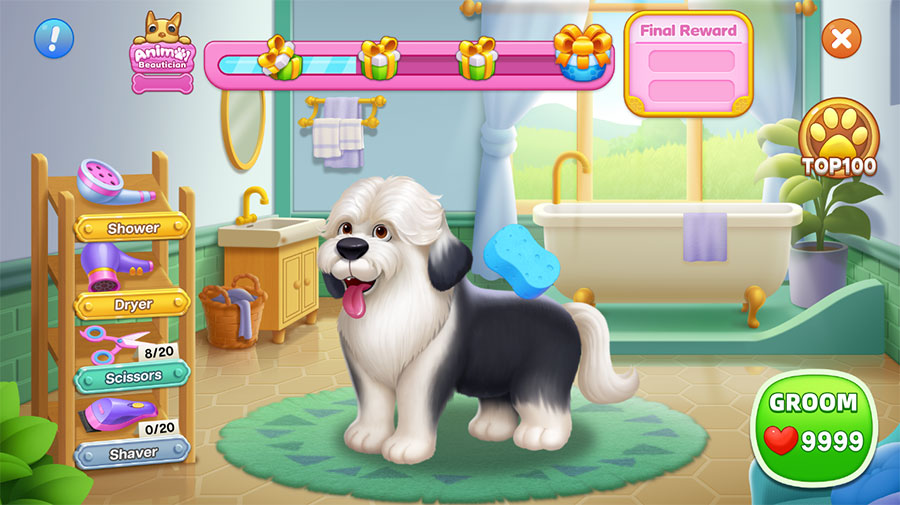
2. Key Principles for Character Design
• Proportions and silhouette: moderate head-to-body ratios (2.5–3 heads for cartoonish, 5–6 heads for light realism), clean lines, clear and recognizable shapes.
• Facial expressions and emotion: friendly and exaggerated expressions—smiles, surprise, joy. Avoid harsh or frightening features.
• Clothing and accessories: soft, layered colors that match the game world; key characters can include 1–2 signature items.
• Animation and actions: simple, readable movements emphasizing interactivity and fun, such as waving, jumping, or collecting objects.
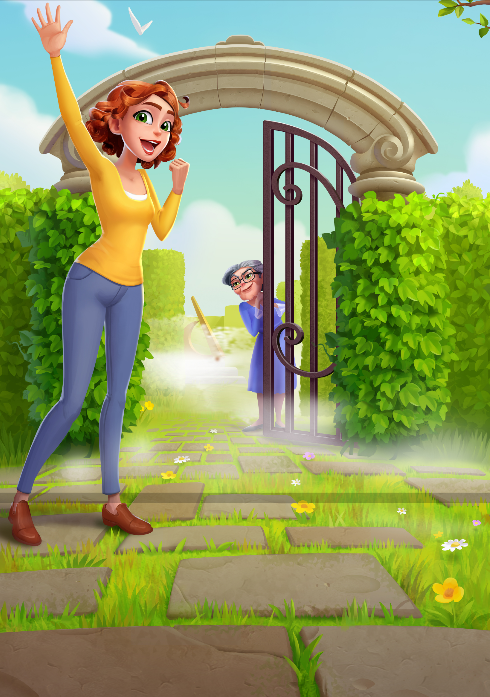
3. Color and Material Guidelines
• Color palette: prioritize high-saturation warm tones to create a cozy, inviting atmosphere.
• Material textures: smooth, clean, soft surfaces preferred; subtle texture and light/shadow variations enhance depth and realism.

4. Key Principles for Scene Design
• Interactive life-like environments: kitchens, living rooms, gardens, shopping streets, etc.
• Perspective and composition: top-down, isometric, or angled views to ensure clarity of key elements.
• Environmental details: tidy, visually rich backgrounds with appropriate decorative elements highlighting gameplay goals.
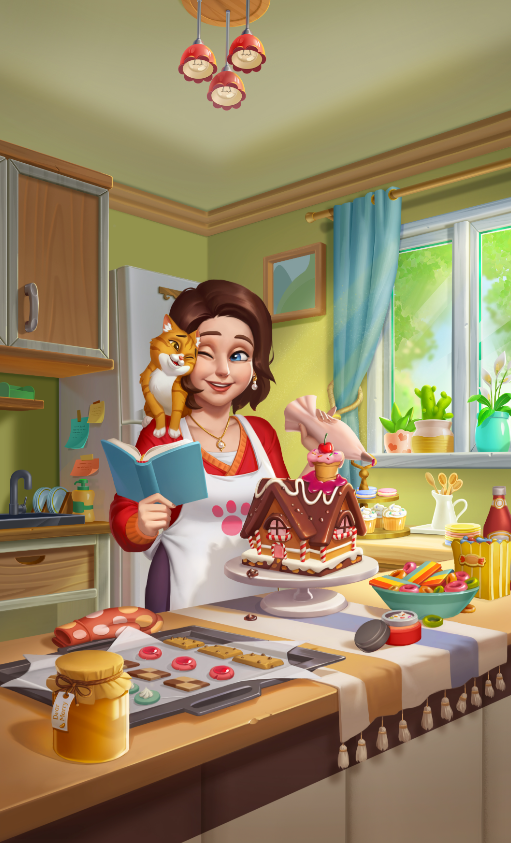
5. Practical Recommendations
• Create mood boards and keyword lists to ensure consistent colors, materials, shapes, and emotional tone throughout the project.
• Modular specifications: define standards separately for characters, props, scenes, and UI elements.
• Style guide: collect reference images, including correct and incorrect examples, to reduce miscommunication.
• Player validation: conduct small-scale A/B tests to gather feedback and optimize the final visual style.
About UOWLS
UOWLS is a game art outsourcing studio supporting casual and mobile game teams with character art, environment art, props, illustrations, UI, icons, Spine animation, promotional video visuals, 3D characters, and 3D environments.
We support teams across different production stages, from early visual exploration and small-scale art tests to full production and ongoing content updates after launch.
Our experience covers Merge games, Match-3 games, simulation games, dress-up games, cooking games, Bingo games, casual SLG projects, life simulation games, and other stylized casual mobile games.
UOWLS has supported multiple mature live game projects, gaining practical experience in style consistency, scalable production, and long-term art content updates for casual and mobile game teams.

Designing Casual Game Art for Female Players in the Casual Gamin
Designing Casual Game Art for Female Players in the Casual Gaming Market
Insights from market research and practical experience show that female players in the casual gaming market are drawn to games with warm, inviting color palettes, appealing anthropomorphic characters, a balanced style that blends cartoon charm and light realism, and interactive, life-like social environments. These visual elements strongly influence player engagement, retention, and in-game monetization.
Key takeaway: visual clarity, emotional resonance, and cultural relatability drive player satisfaction. Successful character and prop design balances aesthetic appeal with functionality and inclusivity.
1. Overall Style Trends
• Light and uplifting: bright, warm colors combined with friendly, cute characters create a sense of comfort and positivity.
• Anthropomorphic and relatable characters: small animals, whimsical creatures, or life-like characters with moderate proportions, rounded forms, and expressive features perform best.
• Hybrid cartoon-realism style: playful cartoon charm enhanced by subtle shadows, textures, and life-like scene details for immersion.
• Life-like social environments: farms, cafes, homes, or streets that encourage interaction, community, and achievement drive engagement.
2. Key Principles for Character Design
• Proportions and silhouette: moderate head-to-body ratios (2.5–3 heads for cartoonish, 5–6 heads for light realism), clean lines, clear and recognizable shapes.
• Facial expressions and emotion: friendly and exaggerated expressions—smiles, surprise, joy. Avoid harsh or frightening features.
• Clothing and accessories: soft, layered colors that match the game world; key characters can include 1–2 signature items.
• Animation and actions: simple, readable movements emphasizing interactivity and fun, such as waving, jumping, or collecting objects.
3. Color and Material Guidelines
• Color palette: prioritize high-saturation warm tones to create a cozy, inviting atmosphere.
• Material textures: smooth, clean, soft surfaces preferred; subtle texture and light/shadow variations enhance depth and realism.
4. Key Principles for Scene Design
• Interactive life-like environments: kitchens, living rooms, gardens, shopping streets, etc.
• Perspective and composition: top-down, isometric, or angled views to ensure clarity of key elements.
• Environmental details: tidy, visually rich backgrounds with appropriate decorative elements highlighting gameplay goals.
5. Practical Recommendations
• Create mood boards and keyword lists to ensure consistent colors, materials, shapes, and emotional tone throughout the project.
• Modular specifications: define standards separately for characters, props, scenes, and UI elements.
• Style guide: collect reference images, including correct and incorrect examples, to reduce miscommunication.
• Player validation: conduct small-scale A/B tests to gather feedback and optimize the final visual style.
About UOWLS
UOWLS is a game art outsourcing studio supporting casual and mobile game teams with character art, environment art, props, illustrations, UI, icons, Spine animation, promotional video visuals, 3D characters, and 3D environments.
We support teams across different production stages, from early visual exploration and small-scale art tests to full production and ongoing content updates after launch.
Our experience covers Merge games, Match-3 games, simulation games, dress-up games, cooking games, Bingo games, casual SLG projects, life simulation games, and other stylized casual mobile games.
UOWLS has supported multiple mature live game projects, gaining practical experience in style consistency, scalable production, and long-term art content updates for casual and mobile game teams.